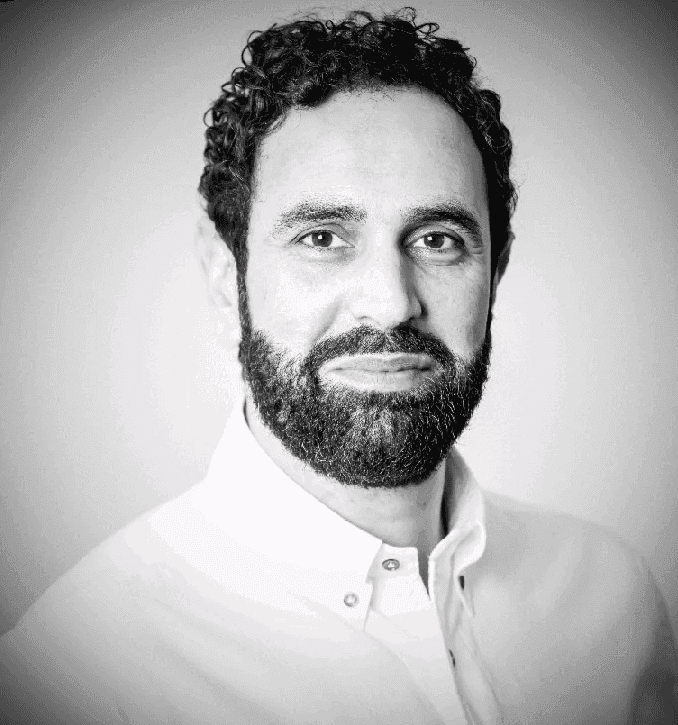
For 15+ years, I worked inside organizations trying to solve problems we inherited from the industrial era: work divided into specialized jobs, silos and closed systems.
That fragmentation made organizations harder to coordinate, but it also affected people. Too often, people became executors of narrow tasks inside systems they had little influence over. Work could become draining instead of giving people room to use judgment, creativity and responsibility.
So we redesigned structures, processes, teams, services and technology to reconnect the system. We made real progress, but always within the limits and conditions of the same underlying paradigm.
Now those limits and conditions are changing.
New intelligence lets us connect knowledge, decisions, people, processes and technology in ways that were much harder to build before.
And I think that is a good thing. It opens the possibility of a renaissance of work and labor, where more people can become builders, creators and problem-solvers again instead of simply executing fragmented tasks.
That gives us a different question: not just how to improve the old organization, but what we want to build instead.
That is what AsWeWill means to me.
The future of work and organizations is something we can shape.